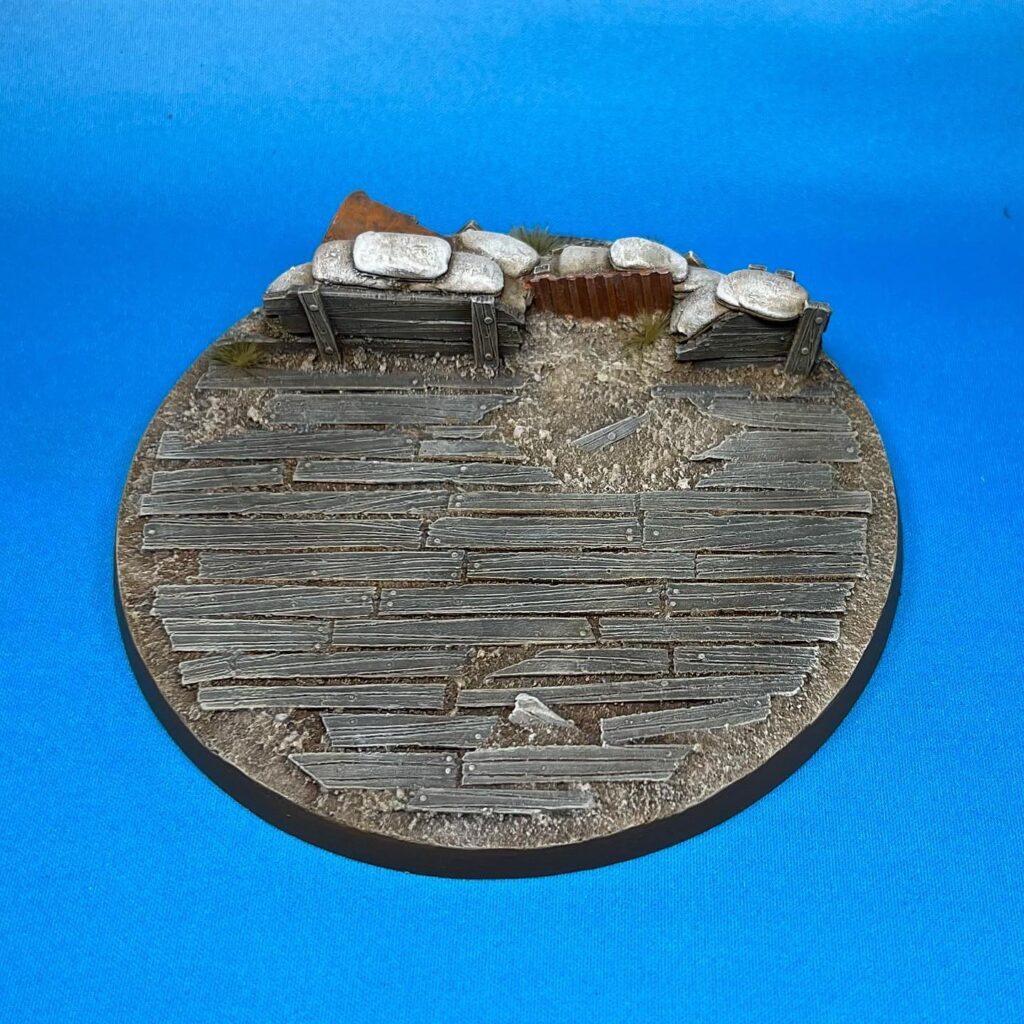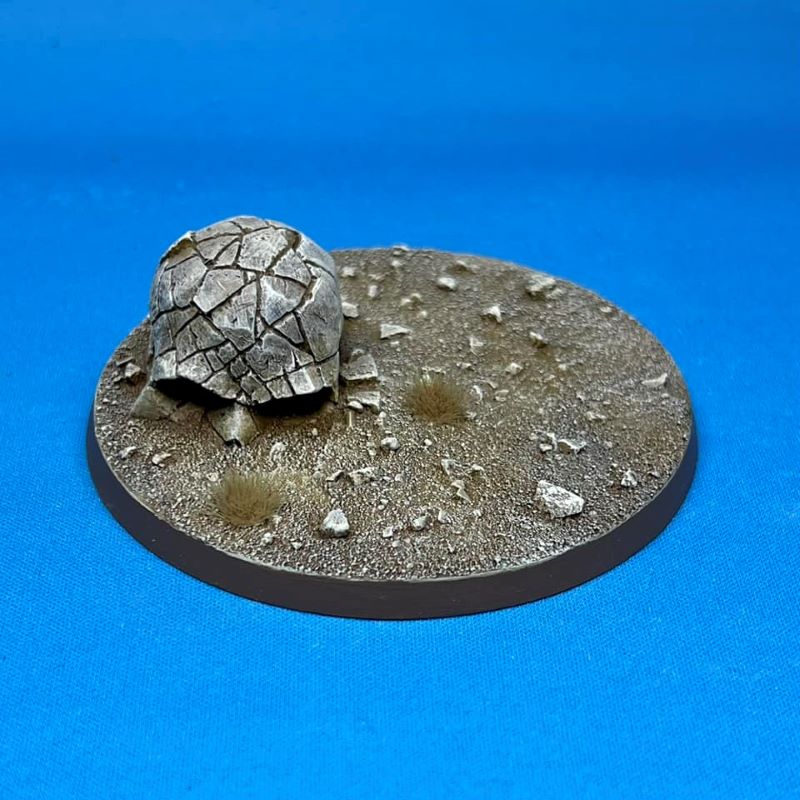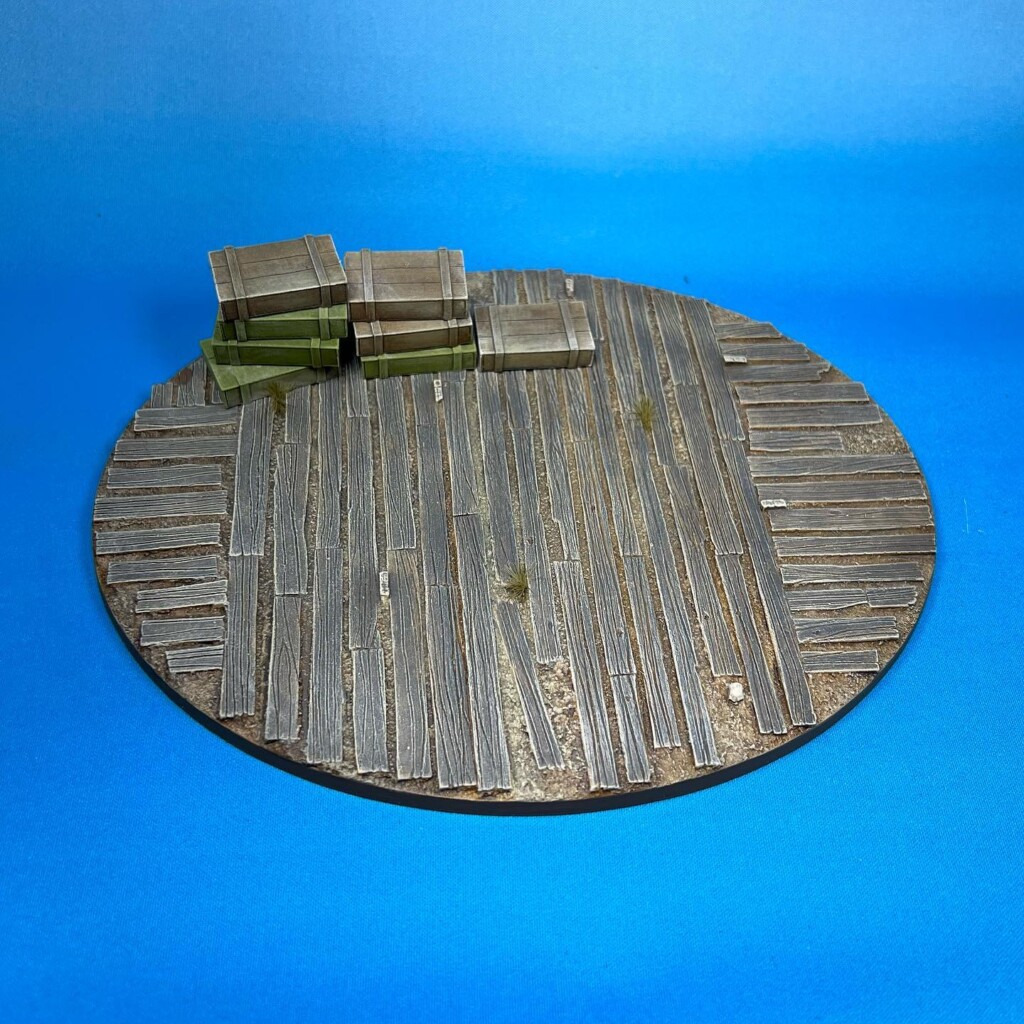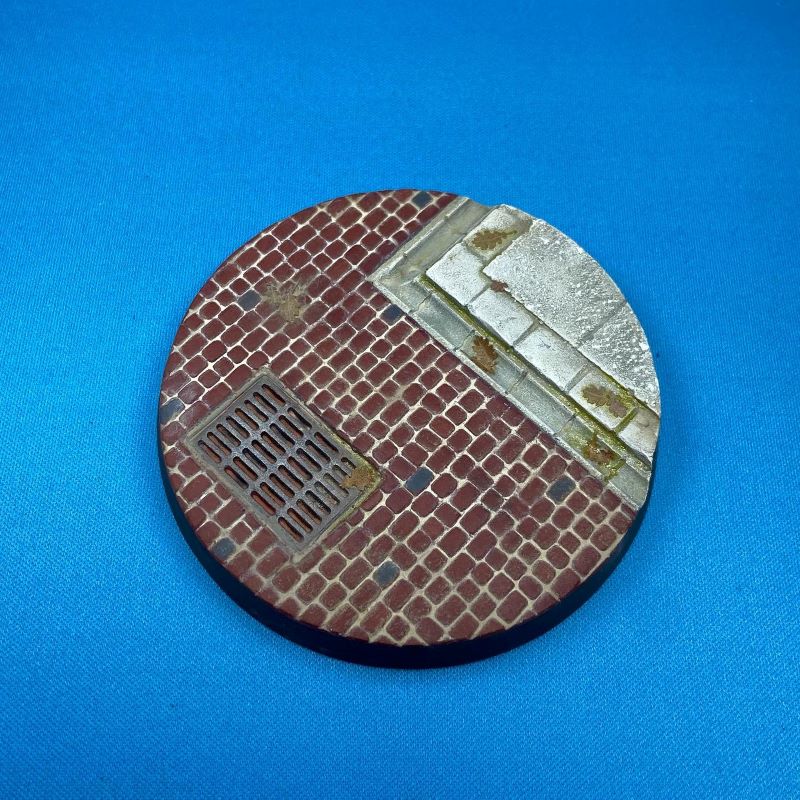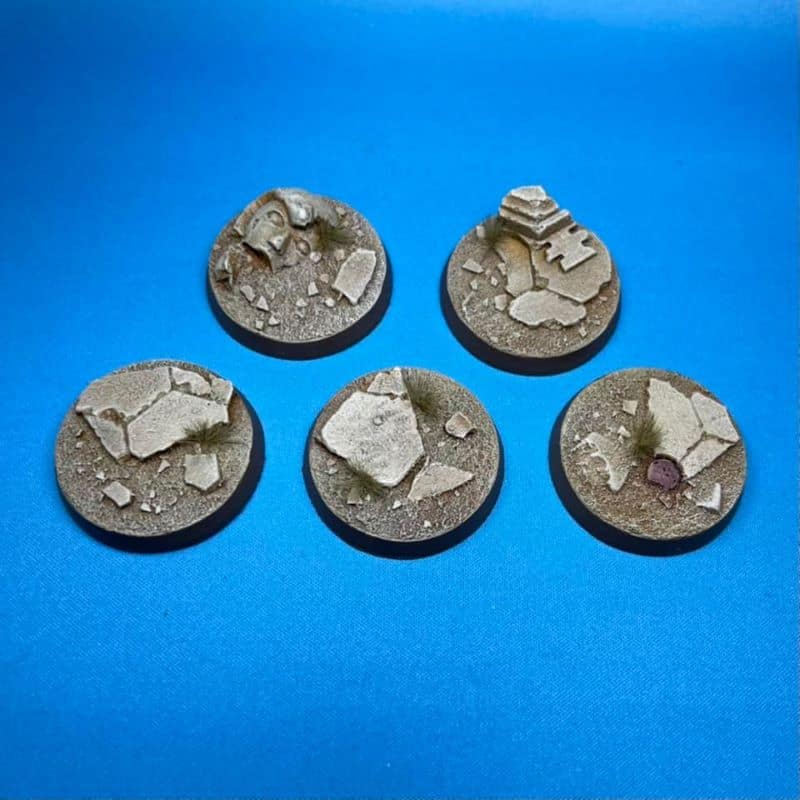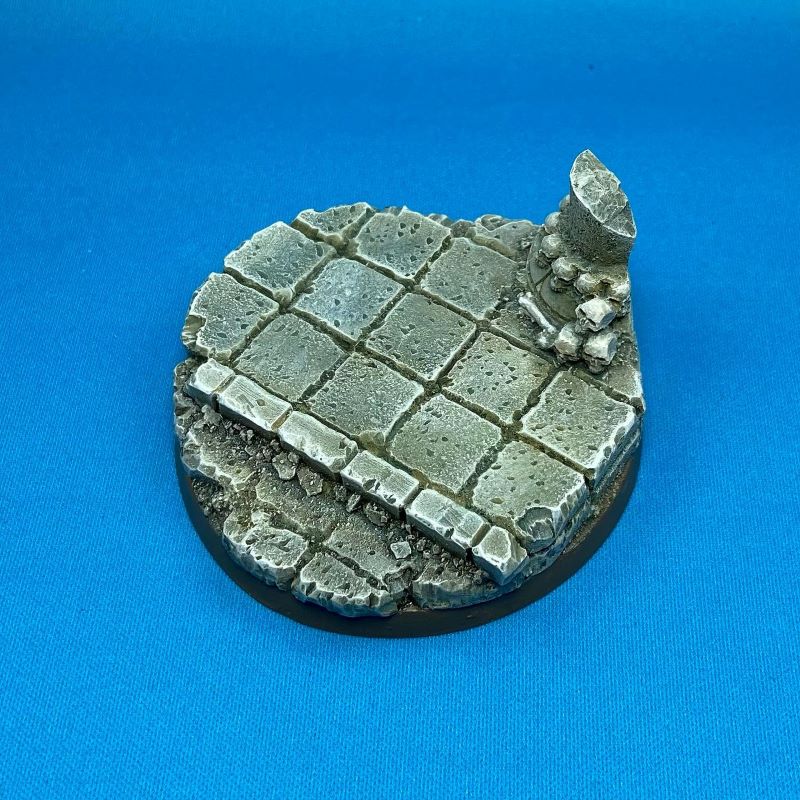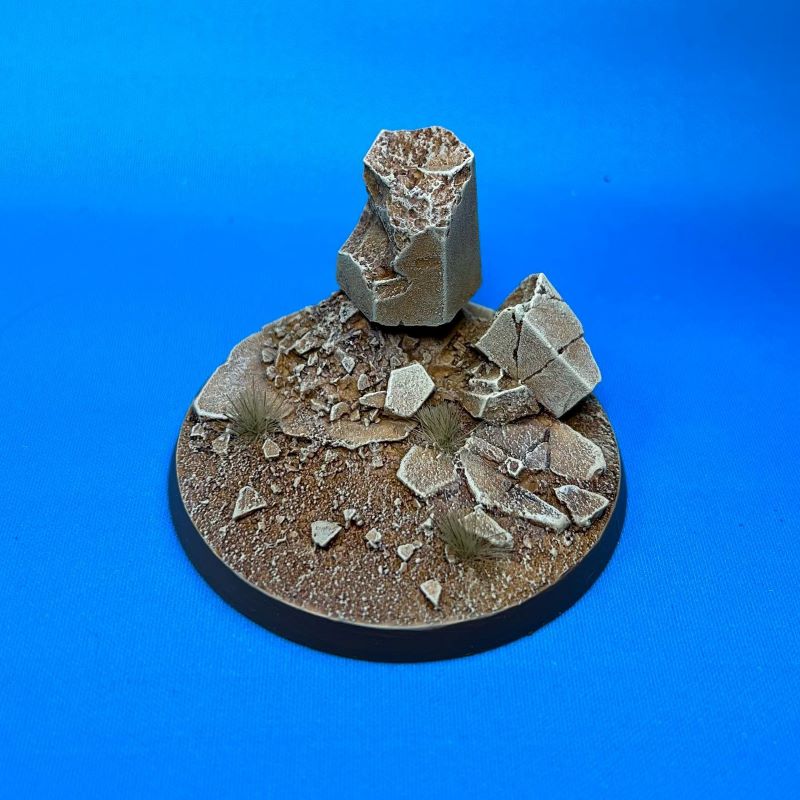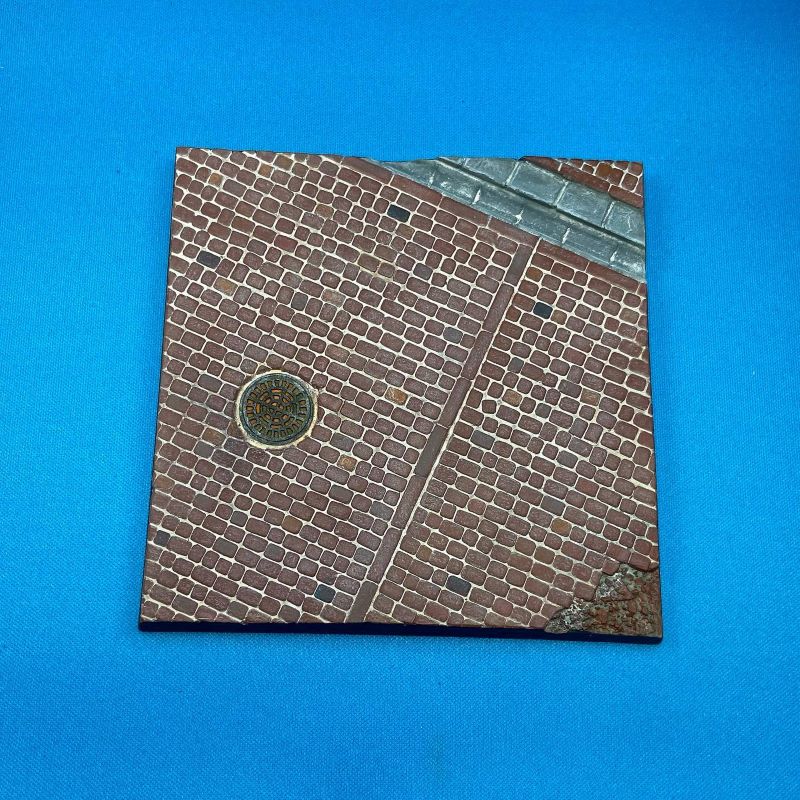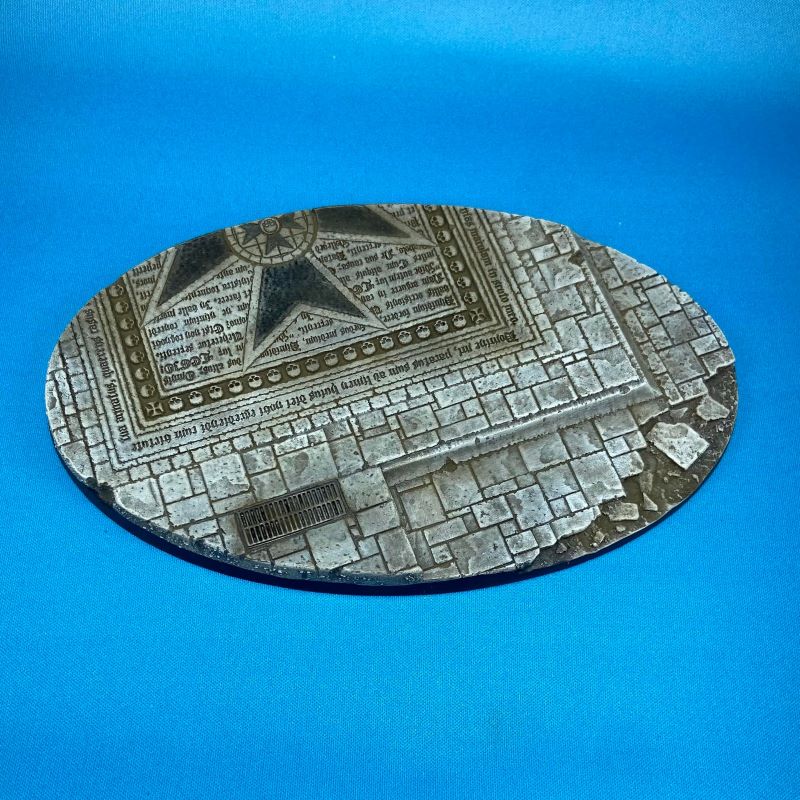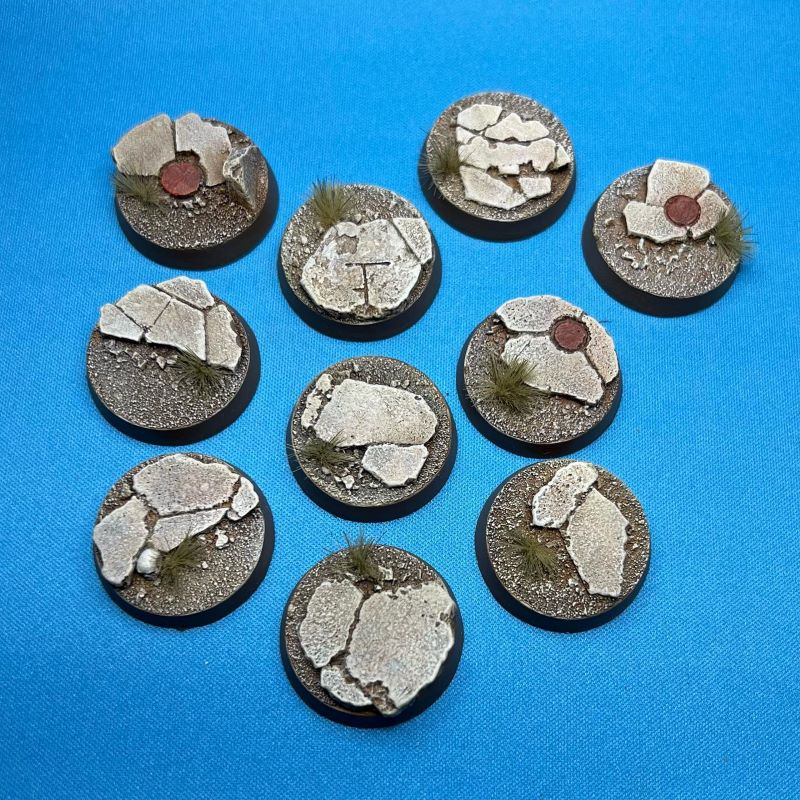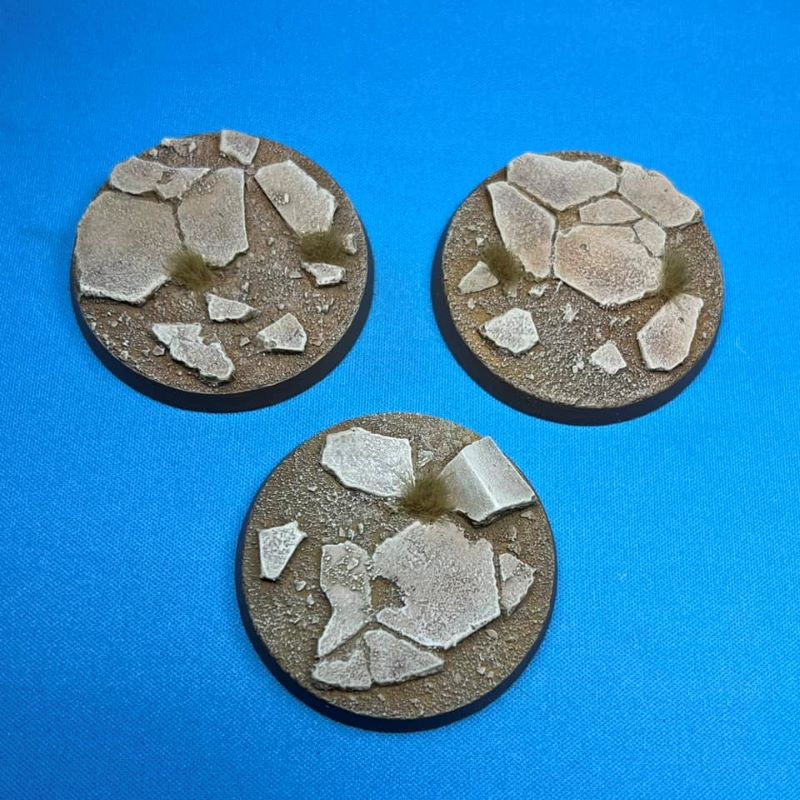
Produces fine hand crafted high quality resin base sets in many themes for popular tabletop miniature wargames
Ranges include all the popular model base sizes and profiles as well as scenic terrain and accessories cast in high quality urethane resin
News And Updates
State of the Union and Things To come!
It's been a while since I have posted. I thought …
I Have Returned!
I was away about a week, I took time off …
Happy Groundhog Day!
Happy February from Dragon Forge Design!Seems that adorable fluffy little …
Service Delays
Due to recent Severe Winter storms with a lot of …
New Releases
-
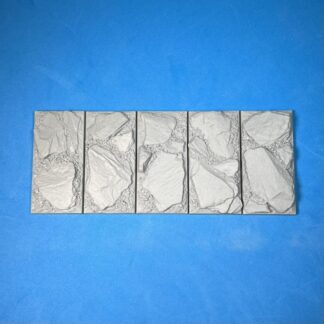 30 mm x 60 mm Slate Wastelands Square Base Set One (1)$12.99
 -
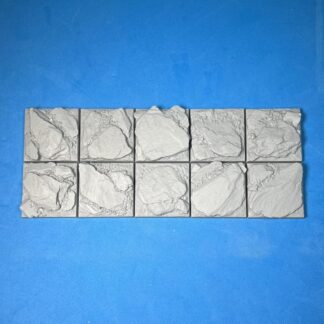 30 mm x 30 mm Slate Wastelands Square Base Set One (1)$12.99
 -
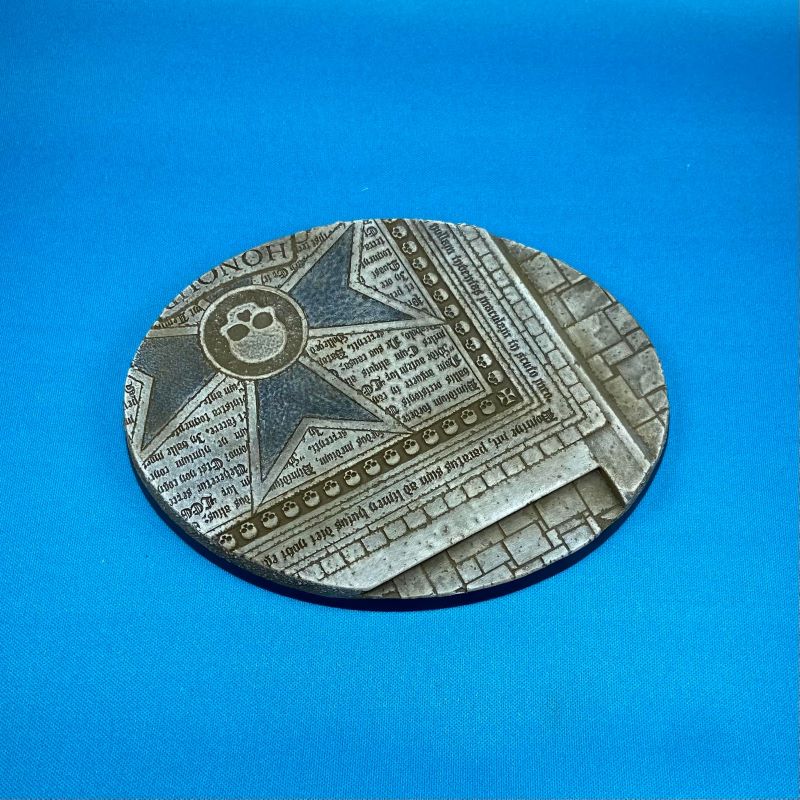
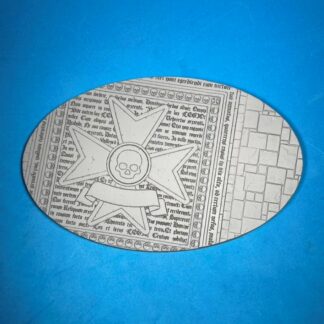 Invictus 150 mm x 95 mm Oval Base Set One (1)$15.99
 -
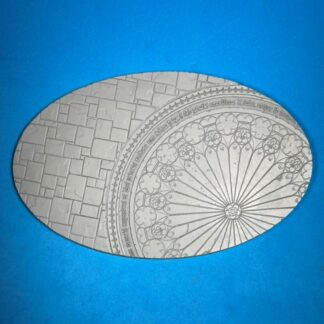 Reliquary 150 mm x 95 mm Oval Base Set One (1)$15.99
 -
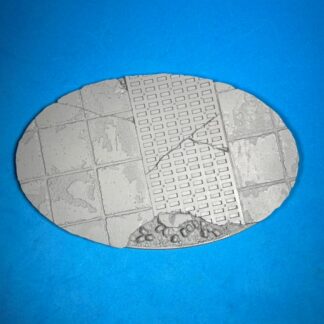 NECROSE XIII 150 mm X 95 mm Oval Base Set One (1)$15.99
 -
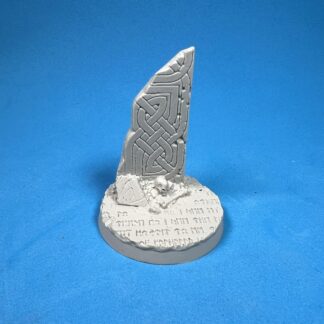 Valhalla 40 mm Hero Base Set One (1)$5.99
 -
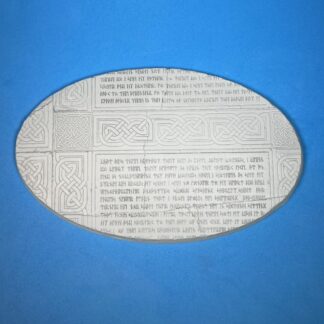 Valhalla 170 mm x 105 mm Oval Base Set One (1)$19.99
 -
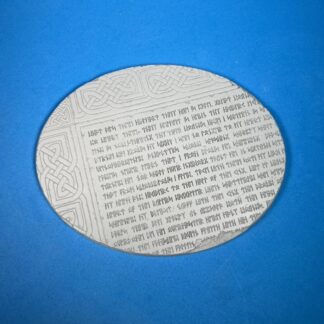 Valhalla 120 mm x 92 mm Oval Base Set One (1)$10.99
 -
 Valhalla 90 mm x 52 mm Oval Base Set Three (3)$7.99
 -
 Valhalla 90 mm x 52 mm Oval Base Set Two (2)$7.99
 -
 Valhalla 90 mm x 52 mm Oval Base Set One (1)$7.99
 -
 Valhalla Rune Stones Set One (1)$8.99
 -
 Valhalla 100 mm Base Set One (1)$11.99
 -
 Valhalla 80 mm Base Set One (1)$8.99
 -
 Valhalla 60 mm Base Set Three (3)$5.99
 -
 Valhalla 60 mm Base Set Two (2)$5.99
 -
 Valhalla 50 mm Base Set One (1)$12.99
 -
 Valhalla 28 mm Base Set One (1)$10.99
 -
 Valhalla 25 mm Base Set One (1)$9.99
 -
 Valhalla 60 mm Base Set One (1)$5.99
 -
Product on sale
 Valhalla Starter Base Set One (1) Set Contains 28 Cast Urethane BasesOriginal price was: $47.99.$40.99Current price is: $40.99.
 -
 Valhalla 60 mm x 35 mm Oval Base Set One (1)$9.99
 -
 Valhalla 40 mm Base Set One (1)$9.99
 -
 Valhalla 32 mm Base Set One (1)$13.99
 -
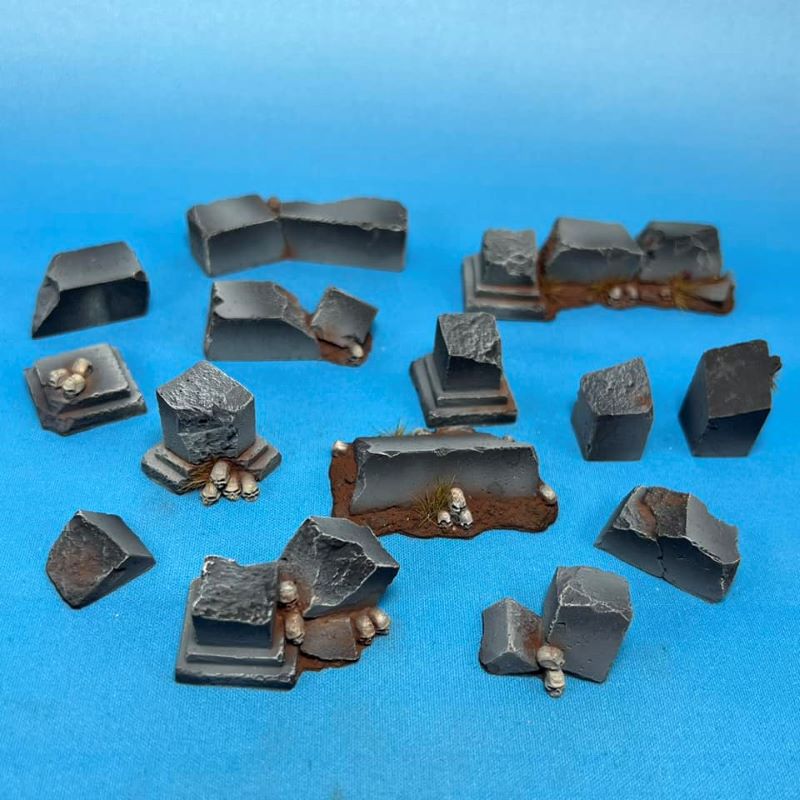
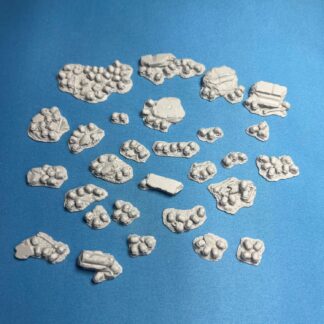 Ancient Ruins Diorama Details Skull Piles Set Two (2)$8.99
 -
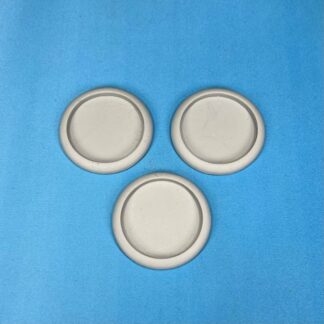 50 mm Round Lip Profile Hollow Base Blank Set One (1)$7.99
 -
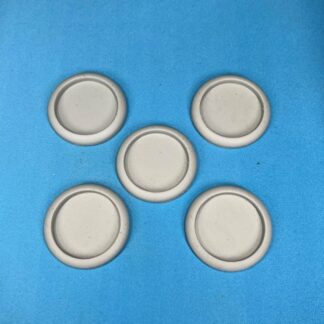 40 mm Round Lip Profile Hollow Base Blank Set One (1)$8.99
 -
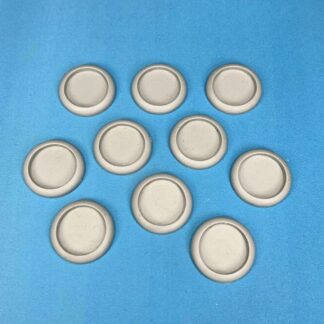 30 mm Round Lip Profile Hollow Base Blank Set One (1)$8.99
 -
Product on sale
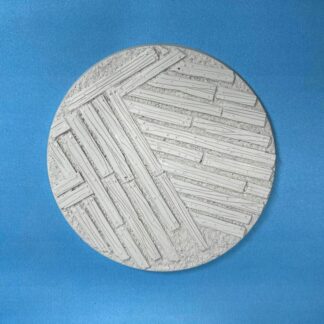 No Man’s Land Trench Boards 130 mm Base Set Three (3)Original price was: $13.99.$12.49Current price is: $12.49.
 -
Product on sale
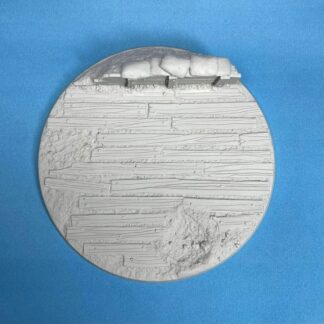 No Man’s Land Trench Boards 130 mm Base Set Two (2)Original price was: $15.99.$14.49Current price is: $14.49.
 -
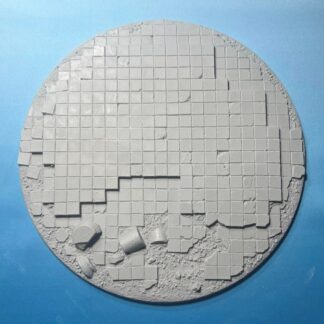 Ancient Ruins 300 mm Round Base Set One (1)$84.99
 -
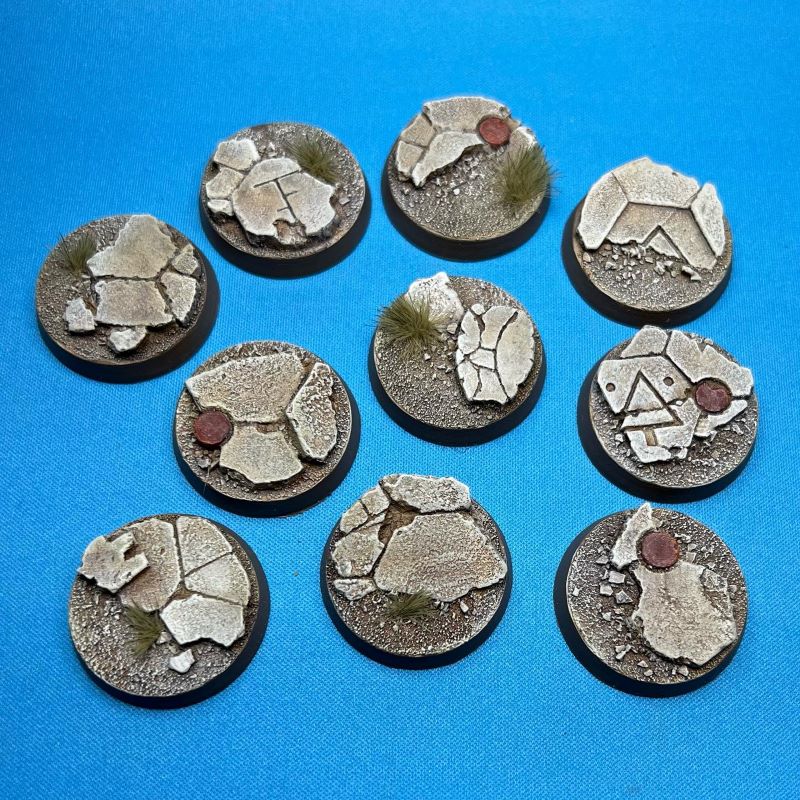
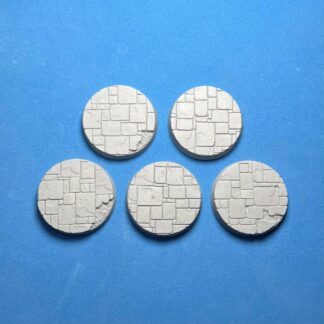 Generic Slate Floor 40 mm Base Set One (1)$9.99
 -
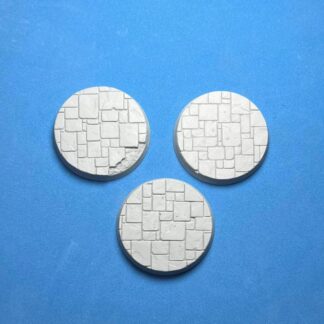 Generic Slate Floor 50 mm Base Set One (1)$12.99
 -
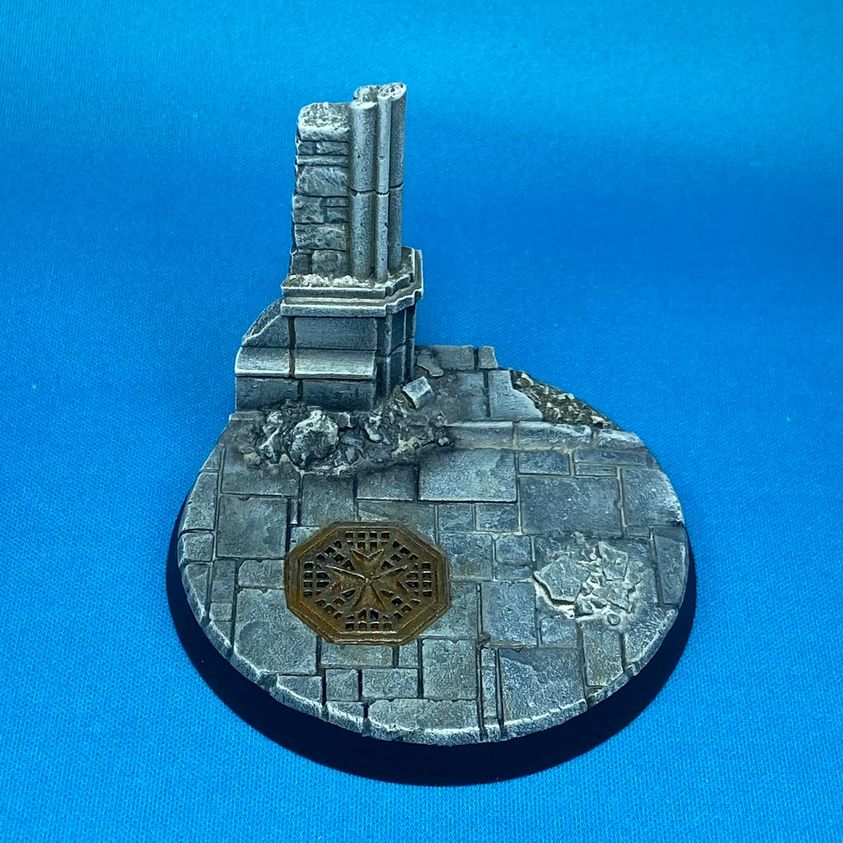
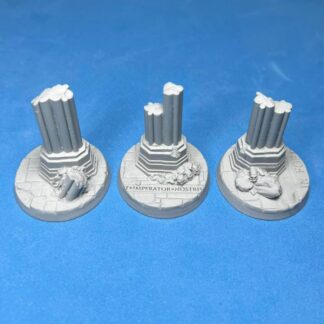 Invictus 40 mm Pillar Base Set One (1)$9.99
Painted Examples